Live Events Are Becoming the Ultimate Real-World Infrastructure Testbed
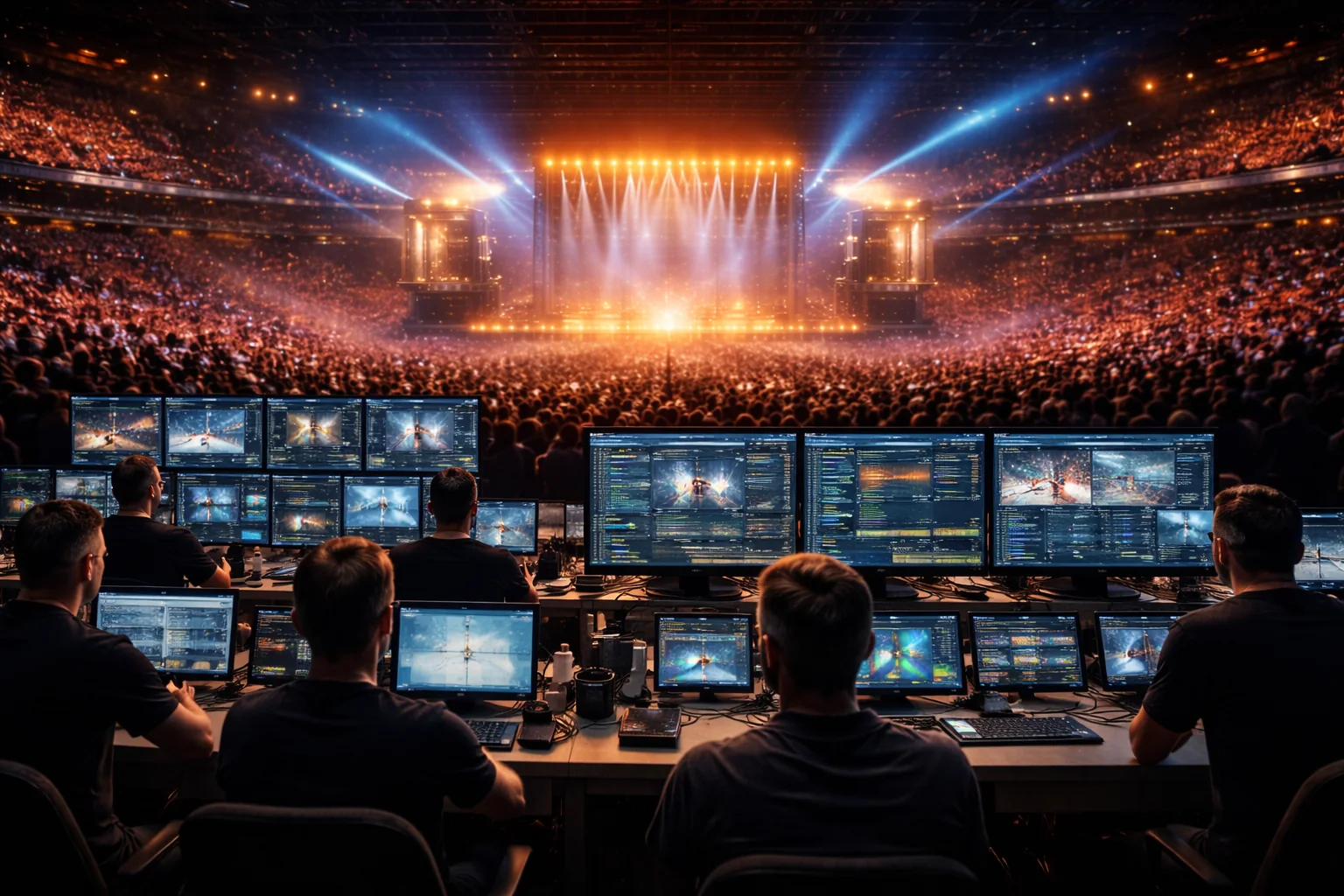
Live events are no longer experimental environments for emerging digital infrastructure. They are the final proving ground—where existing operations either function under pressure or fail in public.
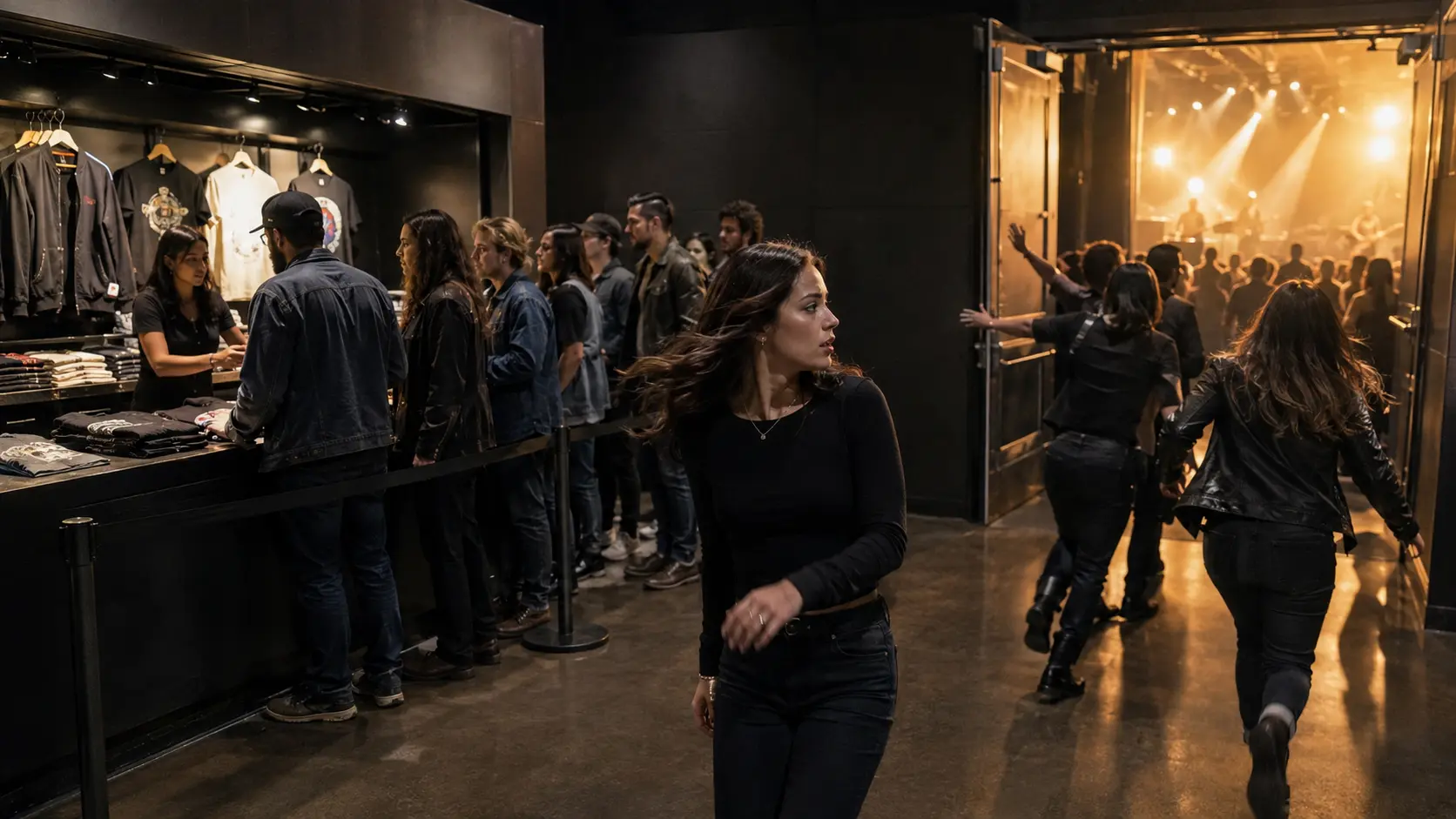
Festivals, tours, and large-scale experiences compress what most industries spread across months into a few intense hours: identity verification, access control, payments, fulfillment, and crowd movement—all under extreme emotional and temporal constraints. There is no rollback. No retry. No patience for failure.
This is why live events are becoming the ultimate real-world infrastructure testbed.
Temporary Design, Permanent Impact
A festival is a pop-up city. A stadium show is a logistics operation assembled overnight. A touring act rebuilds infrastructure every few days in a new geography.
These environments are intentionally temporary. But that impermanence is exactly what makes them valuable. Live events compress reality. They expose failure modes quickly and visibly.
Every live event concentrates:
- Transaction volume — tens of thousands of purchases in narrow windows
- Emotional intensity — peak motivation with zero tolerance for friction
- Time-bound access — miss the moment and the opportunity is gone
- Reputational risk — failures are immediate, public, and viral
If a existing operation works here, it works anywhere. If it fails here, it was never ready.
No Beta Audience
At scale, fans do not care about roadmaps, whitepapers, or technical elegance. They care about outcomes.
- Access works — tickets scan instantly.
- Transactions clear — drinks, merch, and upgrades arrive without delay.
- Immersion is preserved — digital infrastructure stays invisible.
Live events are uniquely unforgiving because they sit at the intersection of money, identity, time, and emotion. Existing operations are judged on behavior, not intention.
This is what makes them so revealing.
Where the Gap Remains
Most infrastructure discussions focus on access: identity, credentials, entry, verification. These are necessary—but incomplete.
The real signal of a live event is not who entered the venue. It is what happened next.
When did people choose to buy? What did they purchase at peak emotional moments? What intent went unconverted due to friction or latency?
Without commercial continuity, access is only half the existing operation.
A venue that can let everyone in—but cannot convert intent into authorized transactions—has not solved the problem. It has merely delayed it.
On-Demand Operations
Live events do not need permanent permanent marketplaces, social networks, or marketplaces. Touring is fluid. Rights are time-bound. Context matters.
The future lies in licensed, event-scoped infrastructure—existing operations that:
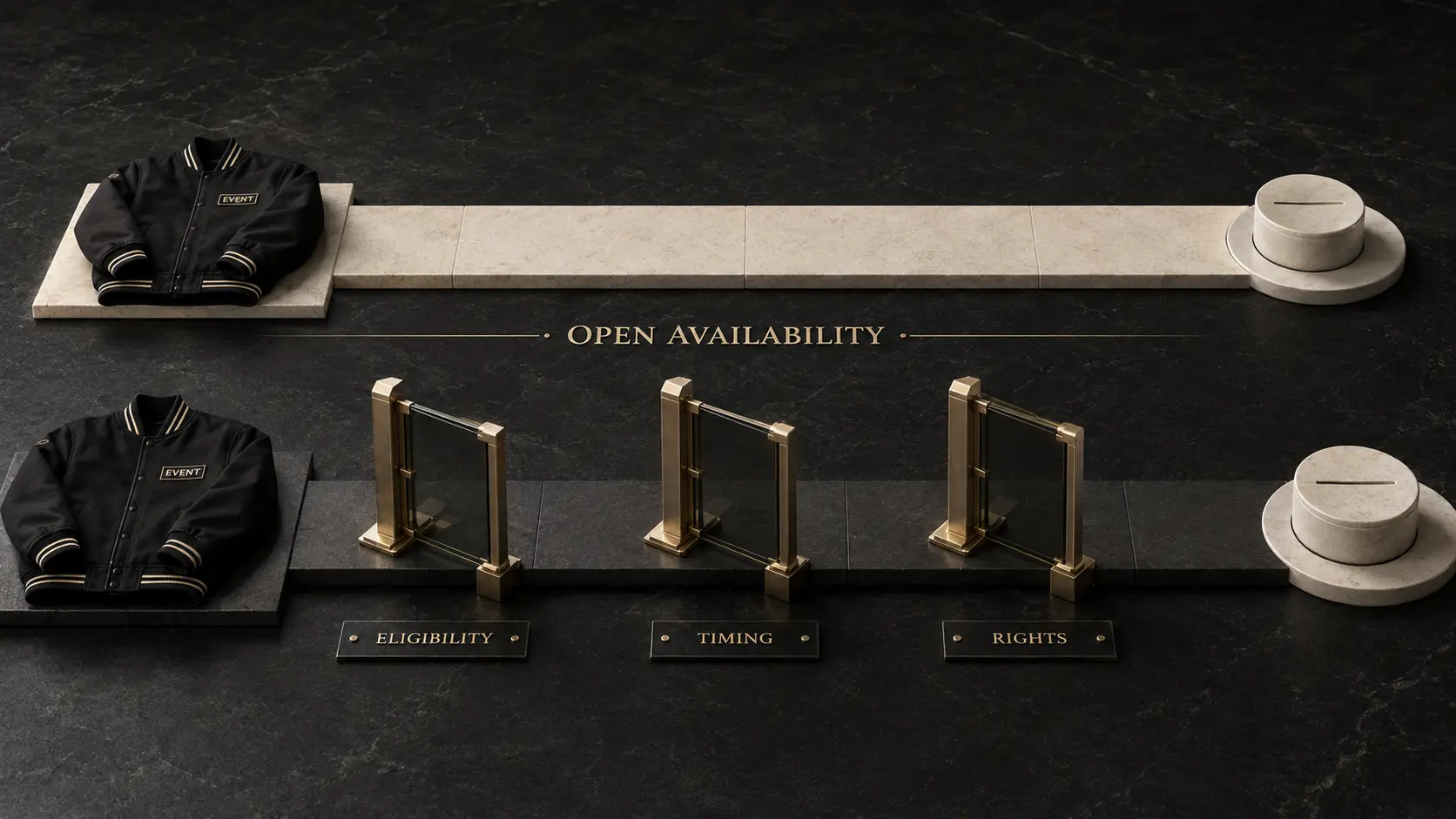
- Activate only for the duration of the event
- Enforce timing, scarcity, and rights-holder control
- Capture verified transaction data, not vanity engagement
- Disappear cleanly when the moment ends
This is not about adding more software. It is about adding logic.
Authorizing the Moment
The most valuable transaction at a live event is not the easiest one. It is the one that happens at the exact right moment—when emotion, context, and access align.
Infrastructure that understands this can:
- Respect scarcity without artificial limits
- Surface relevance instead of noise
- Preserve immersion while enabling commerce
This is the difference between selling products and authorizing moments.
Governance Over Permanence
Live events don't need more apps.
They don't need more dashboards.
They don't need more ecosystems.
They need infrastructure that knows when to appear, what to permit, and when to get out of the way.
Live events are already testing every assumption we make about scale, access, and revenue under pressure. The testbed is open.
The only question is which existing operations are built to survive it.
Disclaimer
This article is written as industry analysis. It is not a marketing program, product announcement, or attribution exercise.